
Home Generators
Power Stays On When the Grid Goes Down
Home Generators in Buffalo for properties that lose electricity during winter storms and high wind events
John Lock Air Conditioning & Heating Service, Inc. installs, repairs, and services home generators that automatically restore power when outages occur. If your home has lost heat, refrigeration, or well water during a storm, a standby generator keeps essential systems running without requiring you to manually start equipment or refuel a portable unit. Buffalo experiences frequent weather-related outages, particularly from November through March when ice accumulation and wind damage affect power lines, making automatic backup power a practical consideration for many properties.
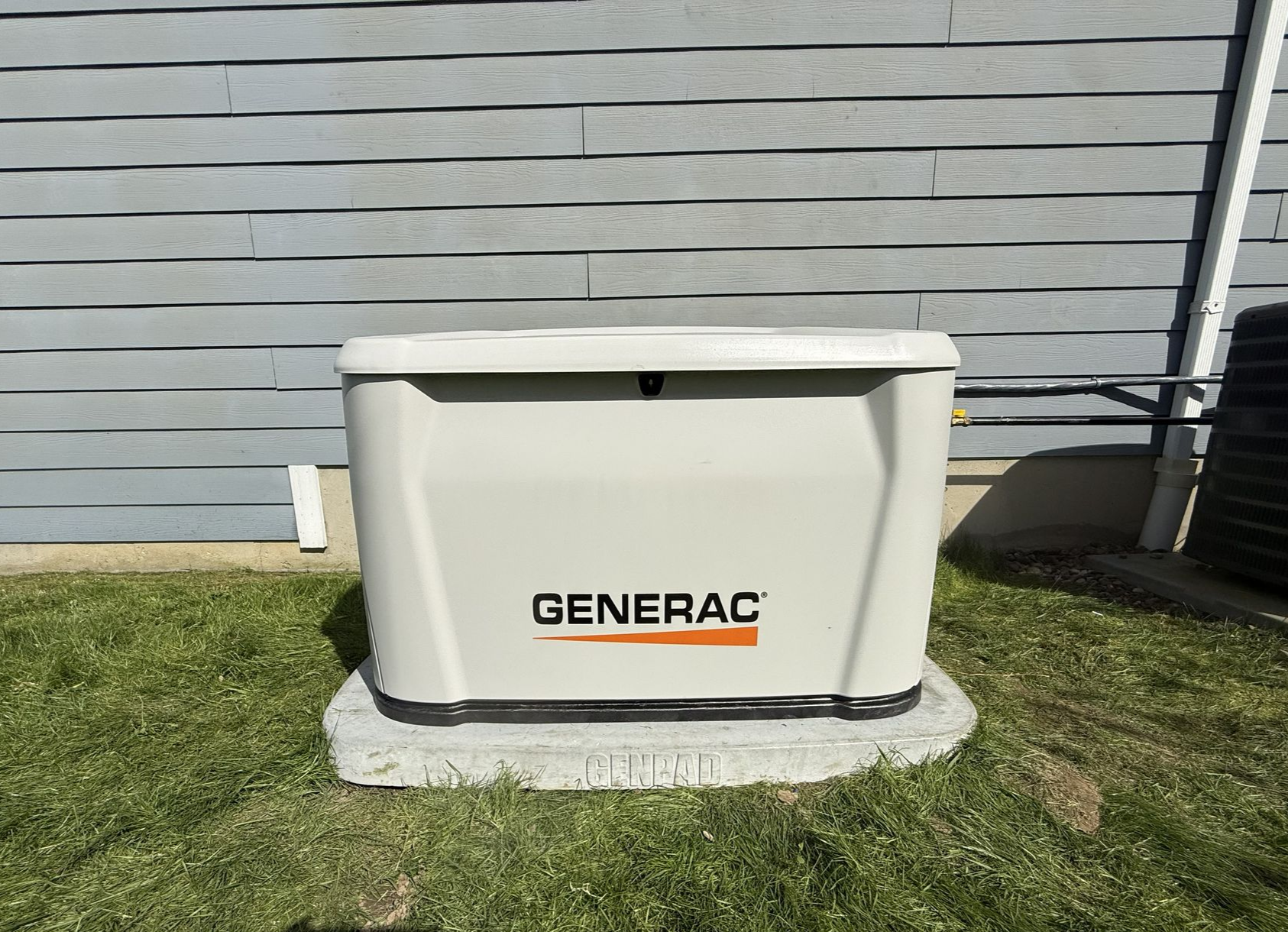
A home generator connects directly to your electrical panel and natural gas or propane supply, monitoring utility power and switching on within seconds of detecting an outage. The system runs your furnace, refrigerator, sump pump, and other hardwired appliances until grid power returns. You avoid the need to move a portable generator outside, run extension cords through windows, or leave your home to purchase fuel during a storm. The unit sits on a concrete pad outside your home and operates independently once installed.
If you need help determining what size generator fits your electrical load and fuel setup, call John Lock Air Conditioning & Heating Service at (716) 894-6400 to discuss your options.
How Generator Installation and Sizing Work
The process begins with a review of your electrical panel to calculate the total wattage required by the circuits you want to keep active during an outage. John Lock Air Conditioning & Heating Service, Inc. works with Generac, Carrier, and GE brand generators, selecting a model that matches your load and fuel type. Natural gas units connect to your existing gas line, while propane systems require a tank with sufficient capacity to run the generator for extended periods. The installation includes mounting the unit on a level pad, running a gas line, wiring the transfer switch, and programming the controller.
Once the generator is operational, you will notice that lights, heating, and appliances stay on when the utility power cuts out. The system performs a self-test weekly to confirm readiness, running for several minutes and shutting off automatically. You do not need to interact with the generator during normal operation, and it will switch back to standby mode once grid power is restored.
Generator installations require a permit and inspection in most municipalities, and the unit must be positioned away from windows, vents, and property lines according to code. Maintenance includes annual oil changes, filter replacements, and battery checks. The system does not provide backup for electric vehicle chargers or other high-draw devices unless the generator is sized accordingly..

Common Questions About Home Generators
Homeowners often want to know how the equipment operates during an outage and what ongoing responsibilities come with ownership.
What size generator is needed for a typical Buffalo home?
Most homes require between 10 and 22 kilowatts depending on square footage, heating type, and whether you run a well pump or central air conditioning. John Lock Air Conditioning & Heating Service calculates the load during the site visit.
How long does it take for the generator to start after power goes out?
The unit detects the outage within seconds and begins supplying power in approximately ten to fifteen seconds, which is fast enough to prevent most equipment from shutting down completely.
Why do some generators use natural gas and others use propane?
Natural gas provides an unlimited fuel supply but requires an existing gas line, while propane offers flexibility for rural properties without gas service. You choose based on availability and how long you expect the generator to run during extended outages.
What kind of maintenance does a standby generator require in Buffalo?
You should schedule annual service that includes an oil change, air filter replacement, spark plug inspection, and battery test. The system also benefits from a load test to confirm it can handle your full electrical demand.
How loud is a home generator when it runs?
Most units produce between 60 and 70 decibels at typical operating distance, which is comparable to a window air conditioner or household conversation. The sound is noticeable but not disruptive at normal setback distances.
If you are ready to install a generator or need service on an existing unit, contact John Lock Air Conditioning & Heating Service, Inc. at (716) 894-6400 to schedule an appointment in Buffalo and review system options for your property.